
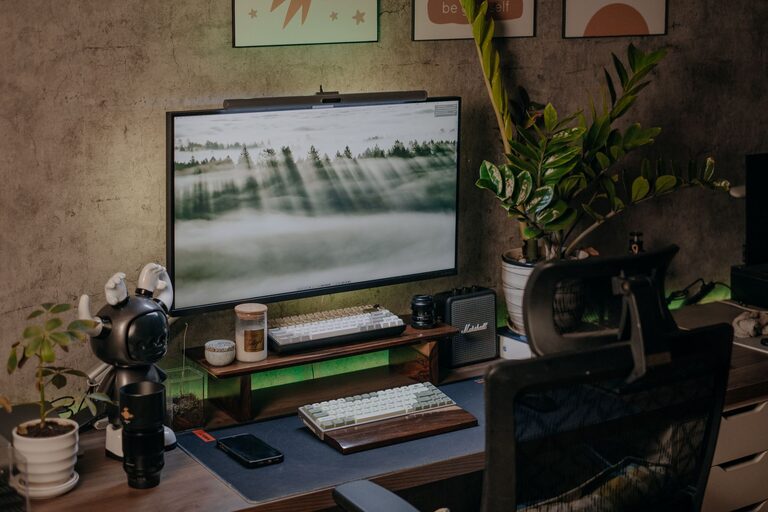
Creating a cozy and inviting home workspace is more than just setting up a desk and chair. It’s about designing an environment that fosters creativity, focus, and comfort. Whether you work remotely full-time or just need a dedicated spot for occasional tasks, your workspace should be a place you look forward to spending time in. Here are practical tips to help you create a home office that feels welcoming and encourages productivity.
1. Choose the Right Location
Consider Natural Light
One of the most important factors for a comfortable workspace is lighting. If possible, set up your desk near a window to take advantage of natural daylight. Natural light helps reduce eye strain and boosts mood and energy levels.
Minimize Distractions
Select a quiet corner of your home away from heavy foot traffic, noisy appliances, or televisions. A calm environment helps improve concentration and efficiency.
2. Invest in Comfortable and Functional Furniture
Ergonomic Chair and Desk
Comfort is key when it comes to furniture. Choose an ergonomic chair that supports your back and encourages good posture. Pair it with a desk at the right height to prevent strain on your wrists and shoulders.
Flexible Workspace Options
If space allows, consider options like a standing desk or an adjustable desk converter. Changing your posture throughout the day can reduce fatigue and increase comfort.
3. Personalize Your Workspace
Add Favorite Colors and Textures
Incorporate colors and textures that make you feel relaxed and inspired. Soft cushions, warm blankets, or a stylish rug can add a cozy touch.
Display Meaningful Items
Decorate with a few personal items like photos, plants, or artwork to make the space your own without cluttering it.
4. Use Lighting Wisely
Layer Your Lighting
Alongside natural light, use layered lighting to reduce eye strain. A combination of ambient light, task lighting (like desk lamps), and accent lights creates a balanced atmosphere.
Choose Warm Light Bulbs
Opt for bulbs with a warm color temperature to create a welcoming and relaxed vibe, especially for evening work sessions.
5. Organize and Declutter
Keep Supplies Within Reach
Use organizers, trays, or drawers to keep essential items handy but tidy. Avoid overcrowding your desktop to maintain focus.
Set Up Cable Management
Tidy cables and chargers with clips or sleeves to keep your workspace neat and safe.
6. Incorporate Greenery and Nature Elements
Add Indoor Plants
Plants not only improve air quality but also add a refreshing natural element to your workspace. Easy-care options like succulents or snake plants are great for beginners.
Natural Materials
Consider furniture or decor made from wood, stone, or woven fibers to bring warmth and texture.
7. Control the Temperature and Air Quality
Maintain Comfortable Temperature
Use fans, heaters, or air conditioning to keep the temperature pleasant throughout the day.
Ensure Good Ventilation
Open windows when possible or use air purifiers to keep fresh air circulating, which helps maintain alertness.
8. Integrate Technology Thoughtfully
Use Quality Equipment
Invest in a good monitor, keyboard, and headphones that meet your work needs and prevent strain.
Keep a Charging Station
Create a dedicated spot for charging your devices to avoid tangled cables and lost chargers.
9. Create a Relaxation Corner
Add a Cozy Seating Area
If space permits, place a small sofa, armchair, or pouf nearby. This can be a spot for short breaks or brainstorming sessions away from your desk.
Use Soft Textiles and Lighting
Add a soft throw blanket, cushions, and a floor lamp or candles to enhance comfort in your relaxation area.
10. Establish Boundaries Between Work and Home Life
Define Your Workspace
Use room dividers, curtains, or furniture arrangement to separate your workspace from living areas, helping you mentally switch between work and relaxation.
Keep Work Items Contained
At the end of the day, tidy up your desk and stash work materials out of sight to signal the end of your workday.
—
Creating a cozy and inviting home workspace doesn’t have to be complicated or expensive. Small changes, like improving lighting, adding personal touches, and organizing effectively, can make a big difference. With these tips, you can build a space that supports your productivity while making work-from-home life more comfortable and enjoyable.