
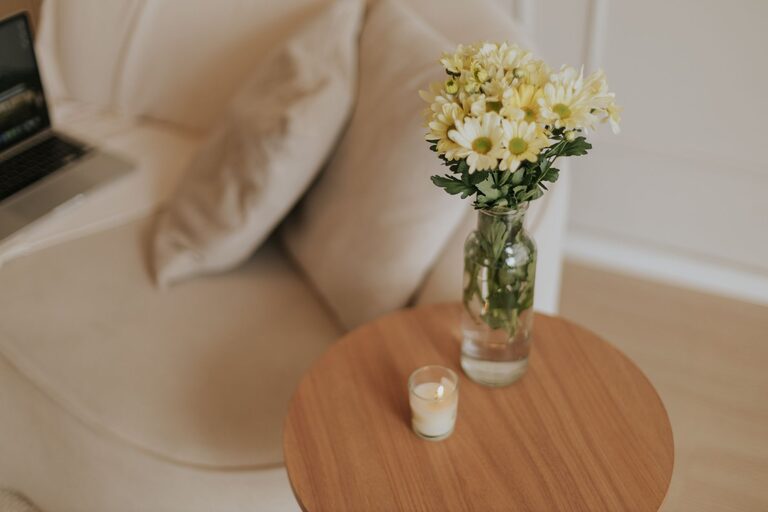
Creating a home office that feels cozy and inviting can make a big difference in how productive and comfortable you are throughout the day. Whether you work from home full-time, occasionally, or simply need a dedicated spot for managing personal tasks, designing a space that suits your needs and style is essential. This guide covers practical tips to help you create a warm, functional, and inspiring home office.
Choose the Right Location
Finding the best spot for your home office is the first step. Ideally, select a space that:
– Gets plenty of natural light, which helps boost mood and energy.
– Is quiet and free from distractions, if possible.
– Has enough room for your essential equipment and supplies.
– Offers privacy if you share your home with others.
If a dedicated room isn’t available, consider setting up a nook in a less trafficked part of your home, like a corner of the living room or bedroom.
Prioritize Comfort with Furniture
Comfort is key in a cozy home office. Invest in furniture that supports both your body and your workflow.
Desk
Choose a desk that fits your space and work style. Some prefer a large surface for spreading out materials, while others may prefer a smaller, minimalist desk.
Chair
A good ergonomic chair can prevent discomfort and improve posture. Look for adjustable height, lumbar support, and adequate padding.
Add a Footrest or Cushion
If you spend long hours seated, footrests or seat cushions can provide extra comfort and promote circulation.
Customize Your Lighting
Lighting plays a huge role in creating a welcoming atmosphere and reducing eye strain.
– Natural Light: Position your desk near a window to maximize daylight. If glare is a problem, use sheer curtains or blinds.
– Task Lighting: A desk lamp with adjustable brightness and direction helps focus on work without causing shadows or glare.
– Ambient Lighting: Soft overhead lighting or a floor lamp can reduce harsh contrasts and create warmth.
Organize to Reduce Clutter
A tidy office promotes focus and helps reduce stress. Use organizing tools to keep everything in its place:
– Storage Solutions: Shelves, filing cabinets, and drawers keep papers and supplies neatly stored.
– Desk Organizers: Trays, baskets, and pen holders reduce clutter on your desktop.
– Cable Management: Clips, ties, or under-desk trays can keep cords tidy and out of sight.
Regularly declutter by removing items you don’t need or use.
Personalize Your Space
Adding personal touches makes your workspace feel inviting and uniquely yours.
– Wall Art: Pictures, artwork, or inspirational quotes can brighten the walls.
– Plants: Greenery not only adds life but also helps purify the air and reduce stress.
– Textiles: Use a soft rug, cozy throw, or cushions to add texture and warmth.
– Favorite Items: Little decor like a favorite mug, souvenirs, or photos can boost your mood.
Make sure these touches enhance your environment without becoming distractions.
Incorporate Technology Thoughtfully
Technology can make work easier but can also clutter or complicate your space.
– Choose devices that fit your needs without overcrowding your desk.
– Use wireless accessories like a keyboard, mouse, or headphones to reduce cables.
– Keep frequently used tech within easy reach, and store less common items nearby.
Create Zones for Different Activities
If your office space allows, design different zones to separate tasks while maintaining flow.
– A dedicated desk for computer work.
– A comfortable chair or small sofa for reading or brainstorming.
– A table or surface for crafts, planning, or other activities.
This approach can help inspire creativity and reduce monotony.
Maintain a Comfortable Temperature and Fresh Air
Physical comfort supports focus and wellness.
– Use a fan, heater, or humidifier as needed to keep your space comfortable year-round.
– Open windows occasionally to circulate fresh air.
– Consider air purifiers if your home tends to get dusty.
Establish a Routine and Keep the Space Clean
A clean and orderly office invites you to work.
– Develop habits for tidying your desk at the end of each day.
– Schedule regular cleaning to keep dust, dirt, and grime at bay.
– Adjust your setup as your work habits change to keep the space functional.
Final Thoughts
Designing a home office that’s both cozy and productive doesn’t have to be complicated or expensive. By focusing on comfort, organization, and personal touches, you can create a workspace that encourages creativity, focus, and a sense of calm. Start with small changes, and over time shape your office into a place you genuinely enjoy spending time.